
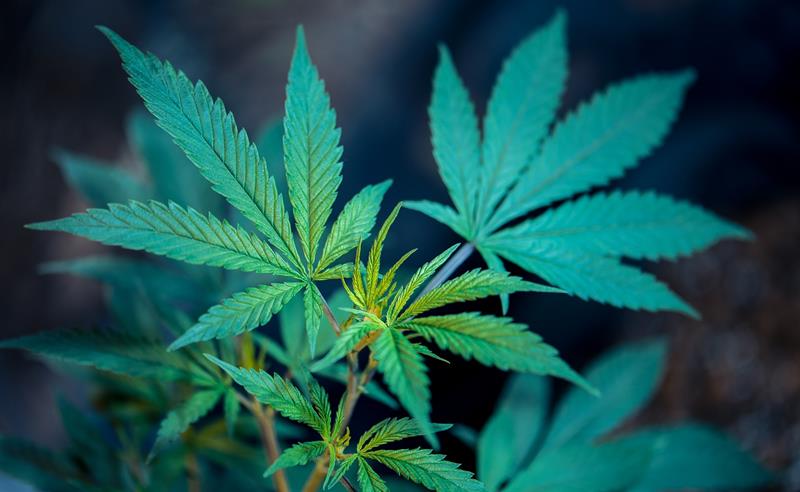
Living with an autoimmune disease means navigating a complex and often unpredictable health journey. These conditions occur when the body’s immune system, designed to protect you from foreign invaders like bacteria and viruses, mistakenly attacks its own healthy cells and tissues. This internal conflict can lead to inflammation, pain, fatigue, and a wide range of symptoms that impact daily life. Managing these chronic conditions often requires a multi-faceted approach, and many people are exploring complementary therapies, including medical marijuana.
Read our comprehensive overview of of how medical marijuana is being considered for the treatment of autoimmune diseases. We will explore what autoimmune conditions are, discuss the potential benefits of cannabis, examine the supporting scientific evidence, and address common concerns. Our goal is to offer a balanced perspective to help you understand this evolving area of medicine.
Understanding Autoimmune Diseases
There are more than 80 types of autoimmune diseases, including rheumatoid arthritis, lupus, multiple sclerosis (MS), and inflammatory bowel disease (IBD) like Crohn’s disease and ulcerative colitis. While each condition affects different parts of the body, they all share a common root: a malfunctioning immune response that creates chronic inflammation.
Conventional treatments typically focus on reducing this inflammation and suppressing the overactive immune system. While these medications can be effective, they sometimes come with significant side effects and may not provide complete relief for everyone. This has led both patients and researchers to look for alternative ways to manage symptoms and improve quality of life. One of the options gaining considerable attention is medical marijuana.
The Endocannabinoid System and Immune Function
To understand how medical marijuana might help, we first need to look at the body’s endocannabinoid system (ECS). The ECS is a complex cell-signaling network that plays a crucial role in regulating various bodily functions, including sleep, mood, appetite, and, importantly, immune response. It consists of endocannabinoids (compounds our bodies produce), receptors (CB1 and CB2) that these compounds bind to, and enzymes that break them down.
CB1 receptors are found mostly in the brain and central nervous system, while CB2 receptors are concentrated in immune cells and peripheral tissues. The compounds in the cannabis plant, known as cannabinoids, can interact with these same receptors. The two most well-known cannabinoids are Tetrahydrocannabinol (THC), which is responsible for the “high,” and Cannabidiol (CBD), which is non-psychoactive.
By interacting with the ECS, cannabinoids can influence the immune system. Research suggests they can help regulate immune responses and reduce inflammation, which is the cornerstone of autoimmune disease.
How Medical Marijuana May Help Manage Symptoms
For individuals with autoimmune conditions, the potential benefits of medical marijuana are primarily linked to its ability to modulate the immune system and alleviate persistent symptoms. Medical marijuana provides anti-inflammatory properties by suppressing the production of inflammatory proteins called cytokines and encouraging the production of anti-inflammatory ones. By reducing overall inflammation, medical marijuana may help slow the progression of tissue damage associated with these conditions. CBD also contributes to pain relief, though through different pathways. THC interacts with CB1 receptors in the brain to alter pain perception, offering relief from neuropathic (nerve) pain and general discomfort. Medical marijuana is thought to influence other pain-regulating systems in the body without causing psychoactive effects. This dual-action approach makes medical marijuana a compelling option for managing the complex pain profiles seen in conditions like fibromyalgia and multiple sclerosis.
Several studies have shown that medical marijuana can be effective in reducing spasticity in multiple sclerosis patients. Spasticity involves painful, involuntary muscle stiffness and spasms. A cannabis-based medication called Sativex (which contains a 1:1 ratio of THC and CBD) is approved in many countries specifically for treating MS-related spasticity that has not responded to other treatments. Medical marijuana can also improve sleep and reduce fatigue. The constant battle with pain and inflammation can be exhausting, leading to chronic fatigue and poor sleep. Medical marijuana may help improve sleep quality. Certain strains with higher THC content can have sedative effects, helping individuals fall asleep more easily. CBD, on the other hand, may promote a more restful state and reduce anxiety, which often interferes with sleep. By improving sleep, patients may experience less daytime fatigue and have more energy to cope with their condition. Better rest also supports the body’s natural healing processes and can have a positive impact on overall well-being.
Get the Medical Guidance You Need from Northwest Florida Physicians Group, LLC
The potential of medical marijuana to help manage autoimmune diseases is promising, offering a new avenue for relief for those who have not found success with conventional treatments. Its anti-inflammatory, pain-relieving, and symptom-managing properties could significantly improve the quality of life for many individuals.
However, medical marijuana is not a cure, and it is not a one-size-fits-all solution. The effectiveness and side effects can vary greatly from person to person. It is absolutely essential to consult with a healthcare professional who is knowledgeable about cannabis-based medicine before starting any new treatment. A doctor can help you determine if it is a safe and appropriate option for you, recommend suitable products and dosages, and monitor your progress. They can also ensure that it will not interact negatively with any other medications you are taking.
Northwest Florida Physicians Group, LLC has a marijuana certification and is licensed to provide medical marijuana therapy. Patients in Pensacola, FL; Pace, FL; and Milton, FL can receive medical marijuana treatment from our licensed team. We can provide a comprehensive, physician-guided treatment plan to help you explore the benefits of medical marijuana, especially when it comes to autoimmune diseases. Contact us today for continued guidance about medical marijuana in the treatment of autoimmune diseases